Dimensions that stop the return
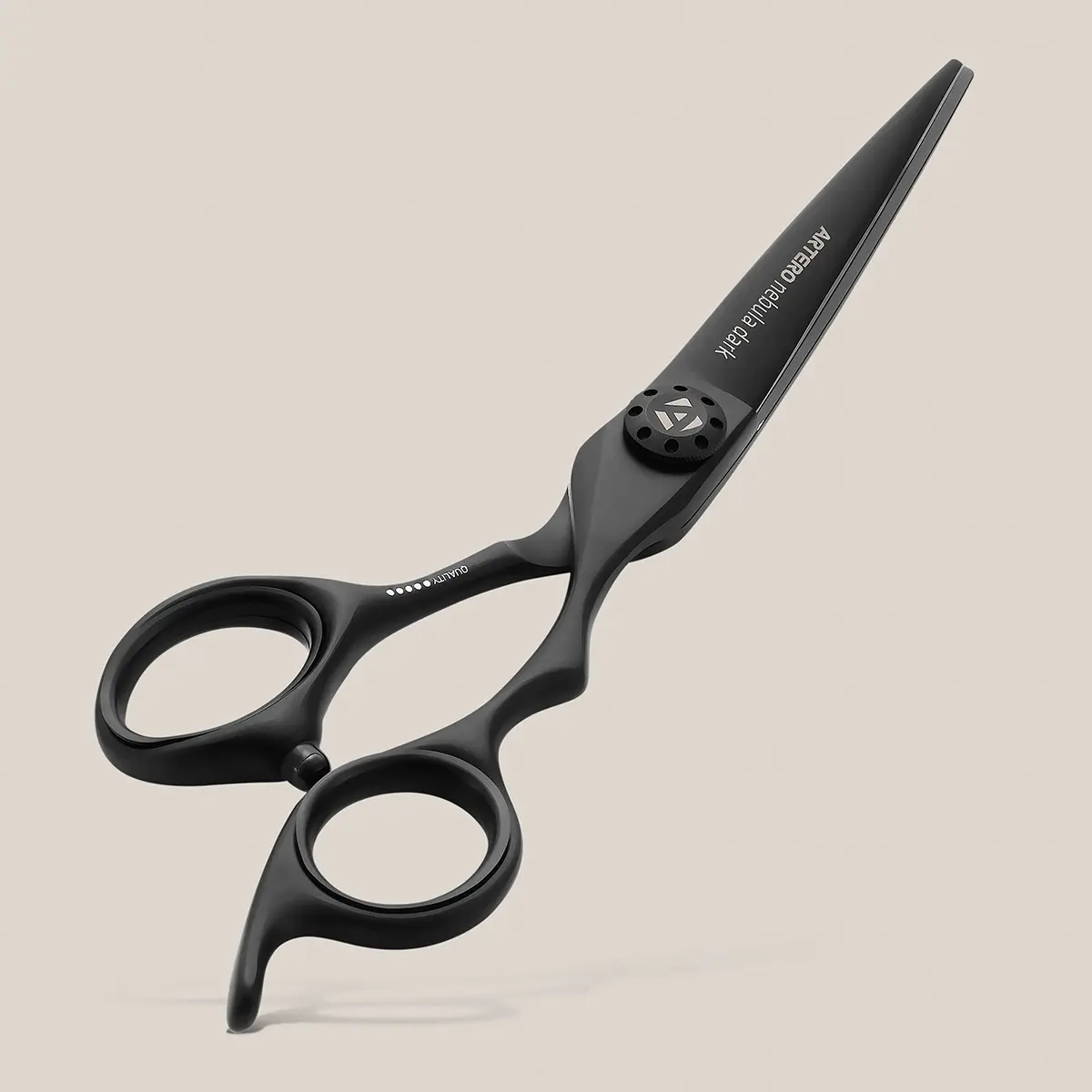
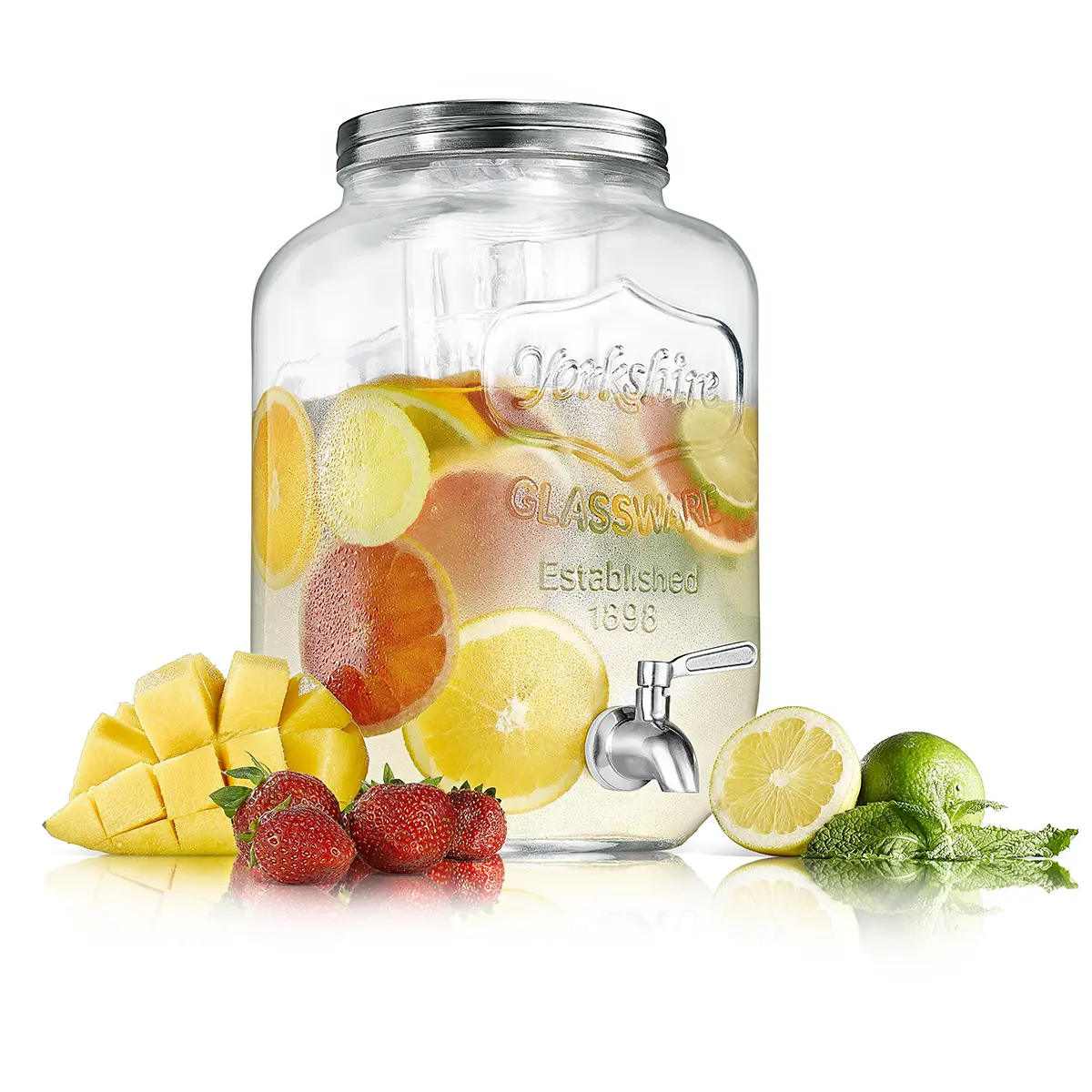
We go beyond capturing the detail: we make sure the real dimensions of your product read correctly on a web platform — what makes the shopping experience trustworthy, and what stops the return.

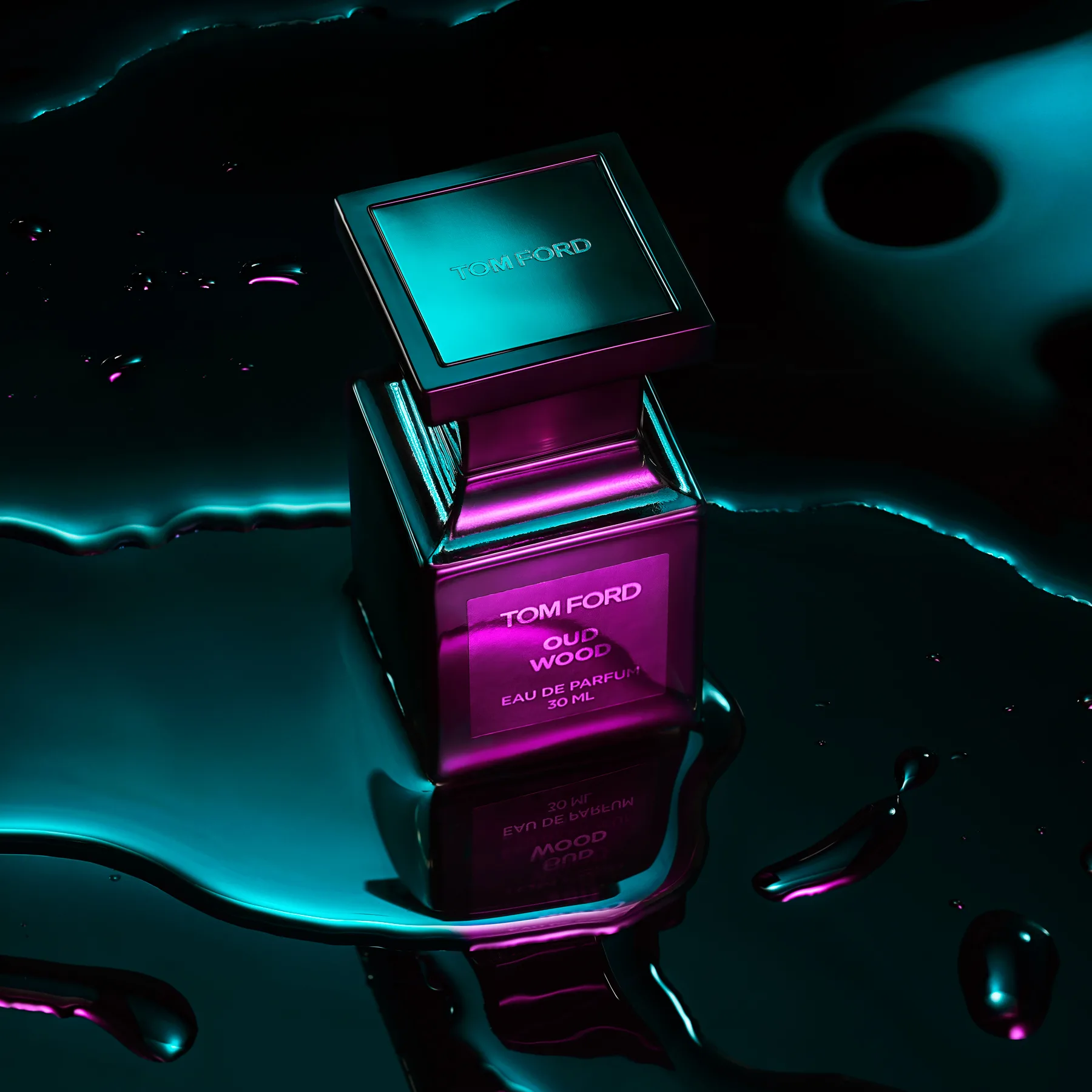
Digital Artistry
Retouching is where a catalogue becomes consistent — or falls apart. A specialised in-house team takes your images from shot to publish-ready at volume, correcting without fabricating, so 500 references land looking like one brand.
We go beyond capturing the detail: we make sure the real dimensions of your product read correctly on a web platform — what makes the shopping experience trustworthy, and what stops the return.
Capture One and Photoshop, plus AI where it genuinely helps, to optimise every image. The tool is not the point; the criterion for using it is.
High volume needs a system, not heroics. Ours tracks every image through the pipeline so a 500-reference catalogue lands complete and on the agreed date — and gives you 24/7 access to your image history and finished material at any moment.
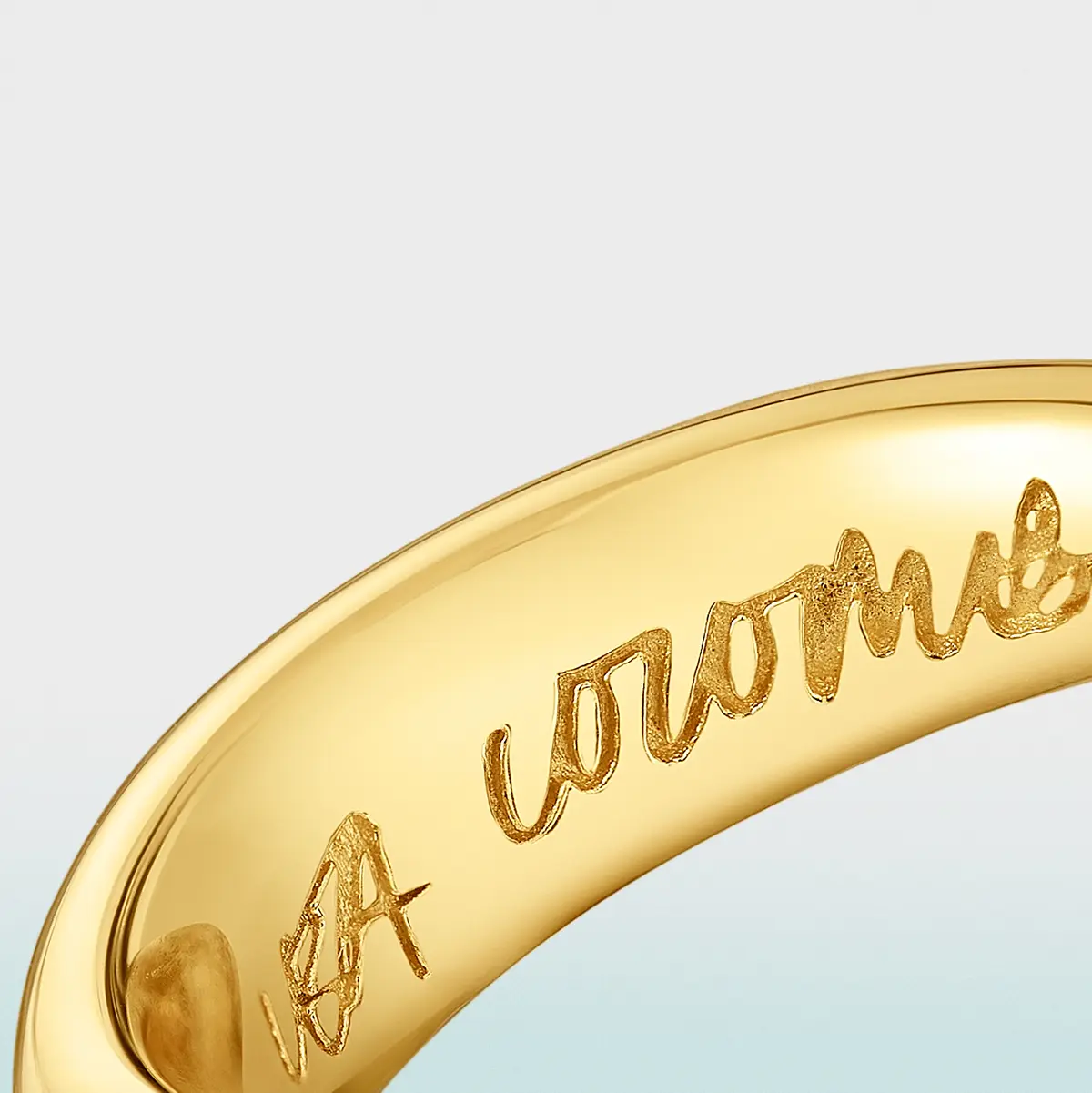
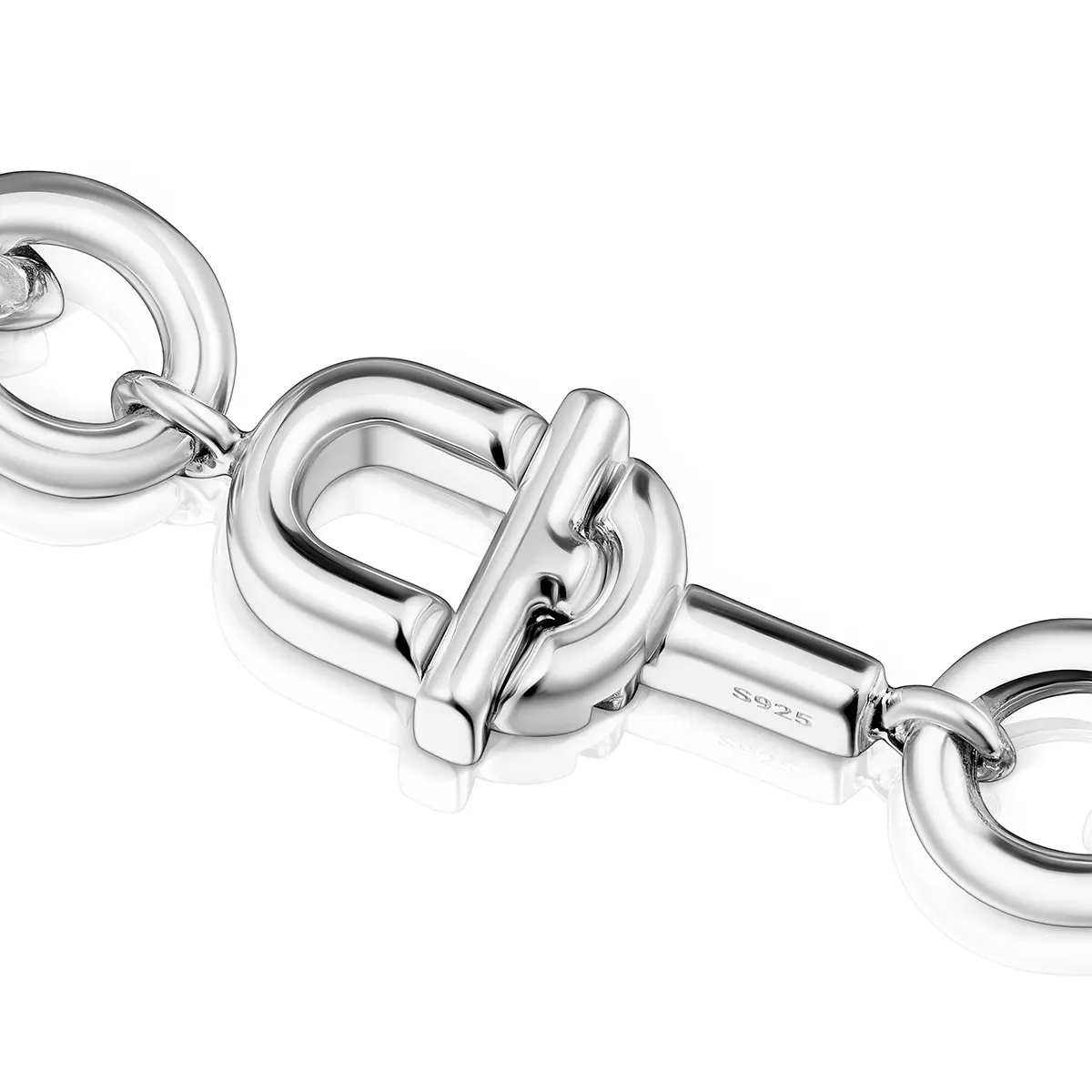
The photograph has to survive the moment the box is opened. We correct, we don't fabricate: if the product has a texture, it keeps it.
A team doing nothing but retouching, almost around the clock
Top-tier retouchers, with part of the team working from Chile. The time difference plays in your favour: retouching moves forward almost around the clock, so large catalogues and urgent requests turn around with an agility a single shift can’t match.

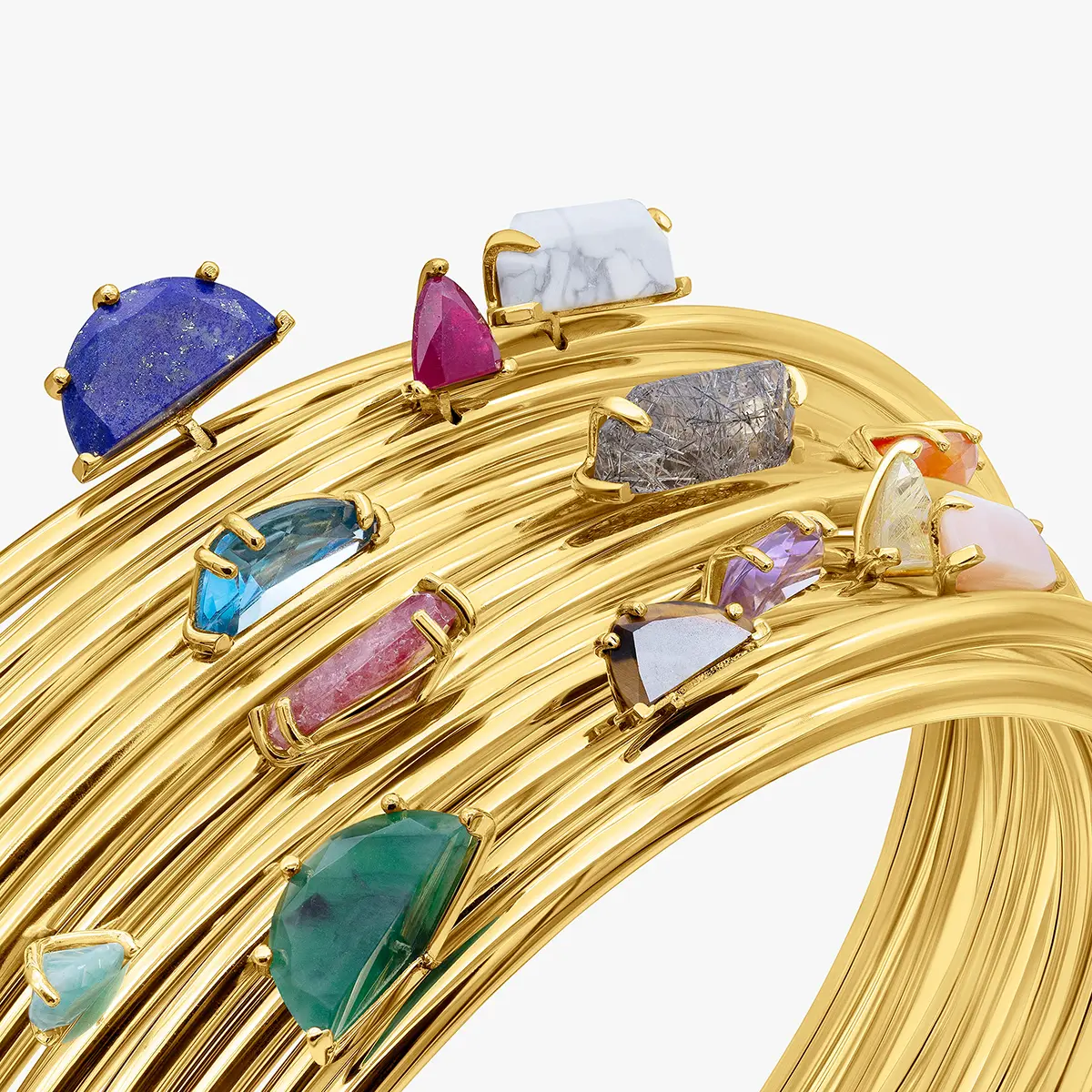
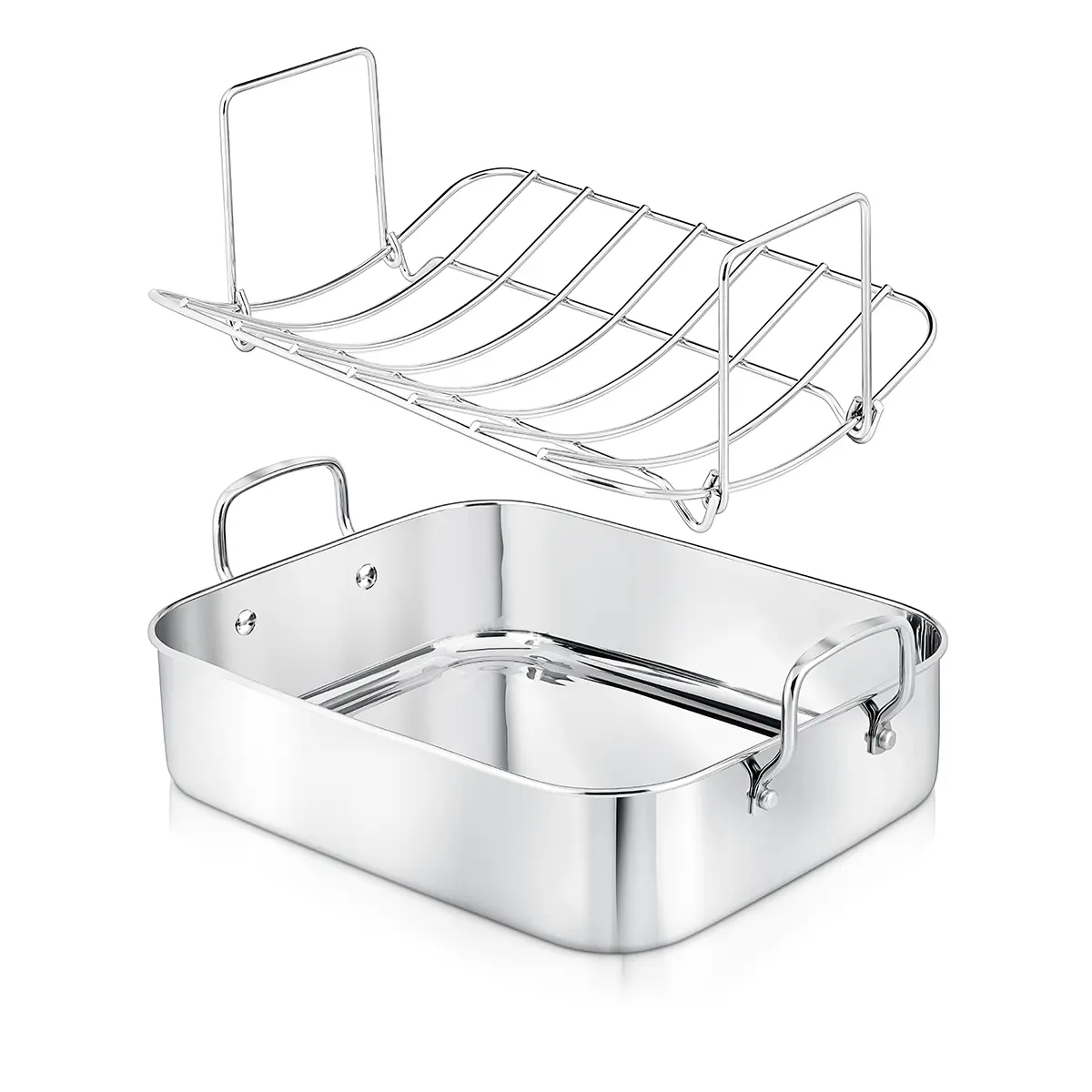
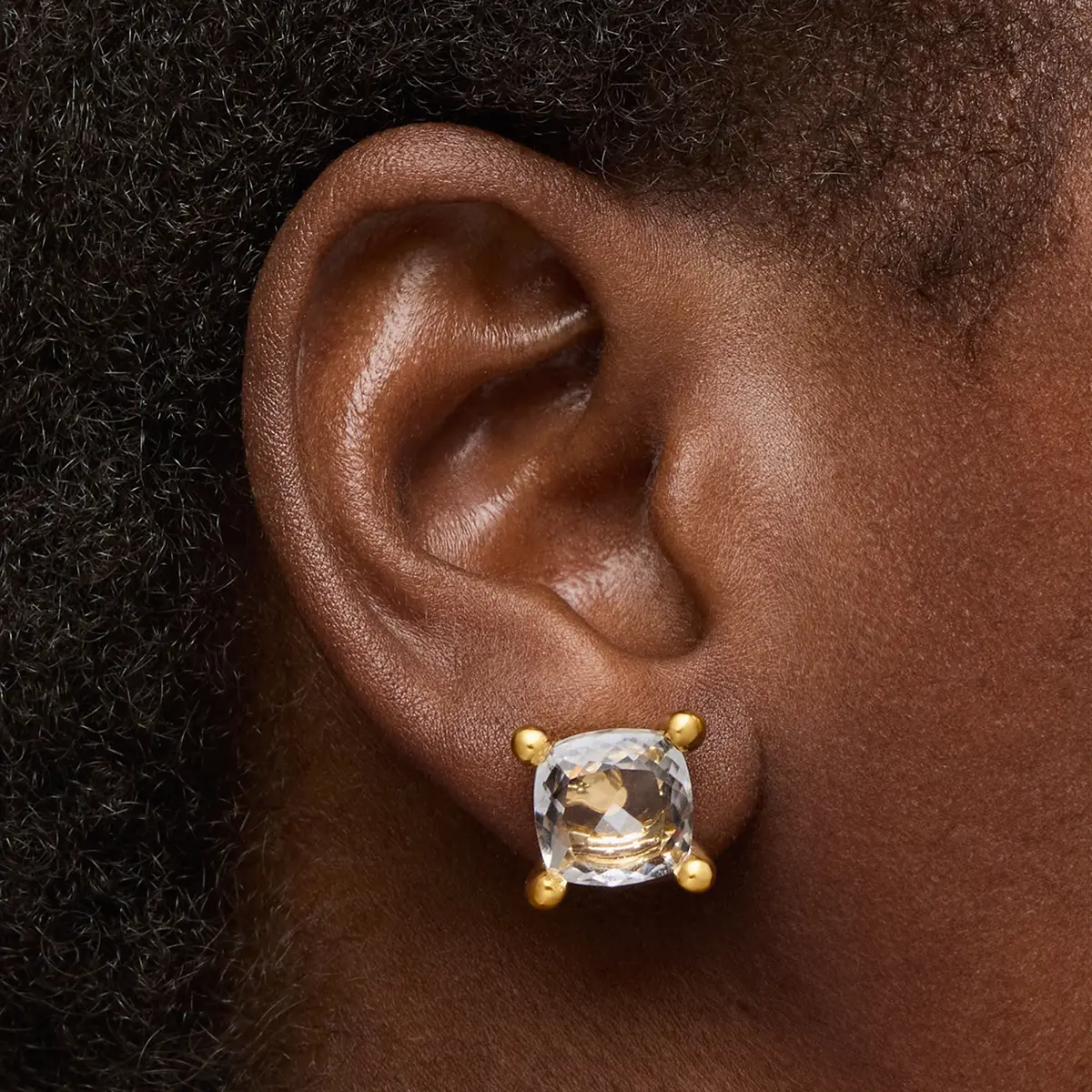


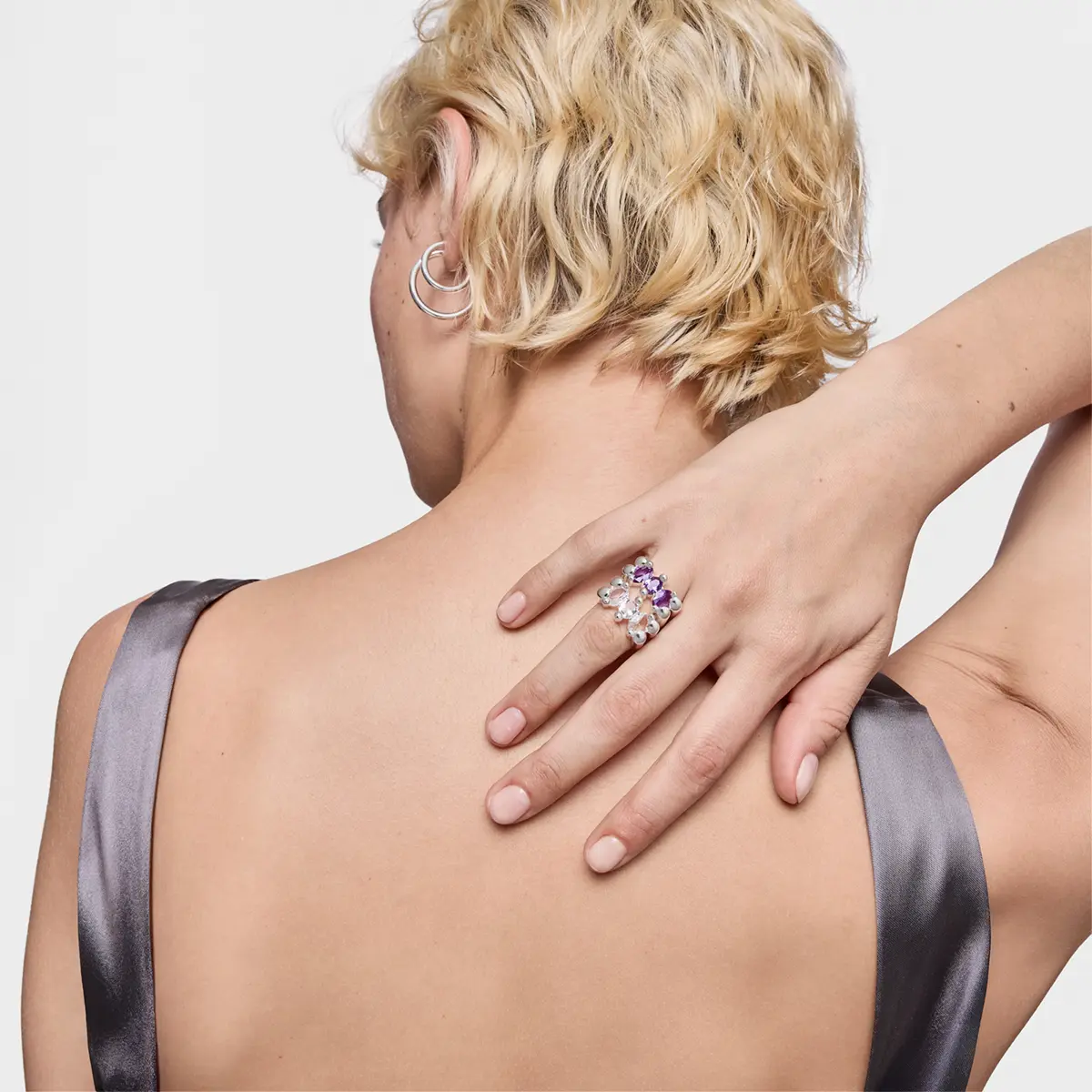
Tell us what you need to shoot and we’ll tell you how we’d do it — and what it costs. No obligation.
Yes. A good part of our retouching work arrives already shot, from brands and from other photographers.
With a management system and quality control as a separate step, run by someone who did not do the retouching. Consistency is a process, not an eye.
Where it earns its place — masking, clean-up, contextualising a product in a scene. Never to invent a product feature that does not exist.
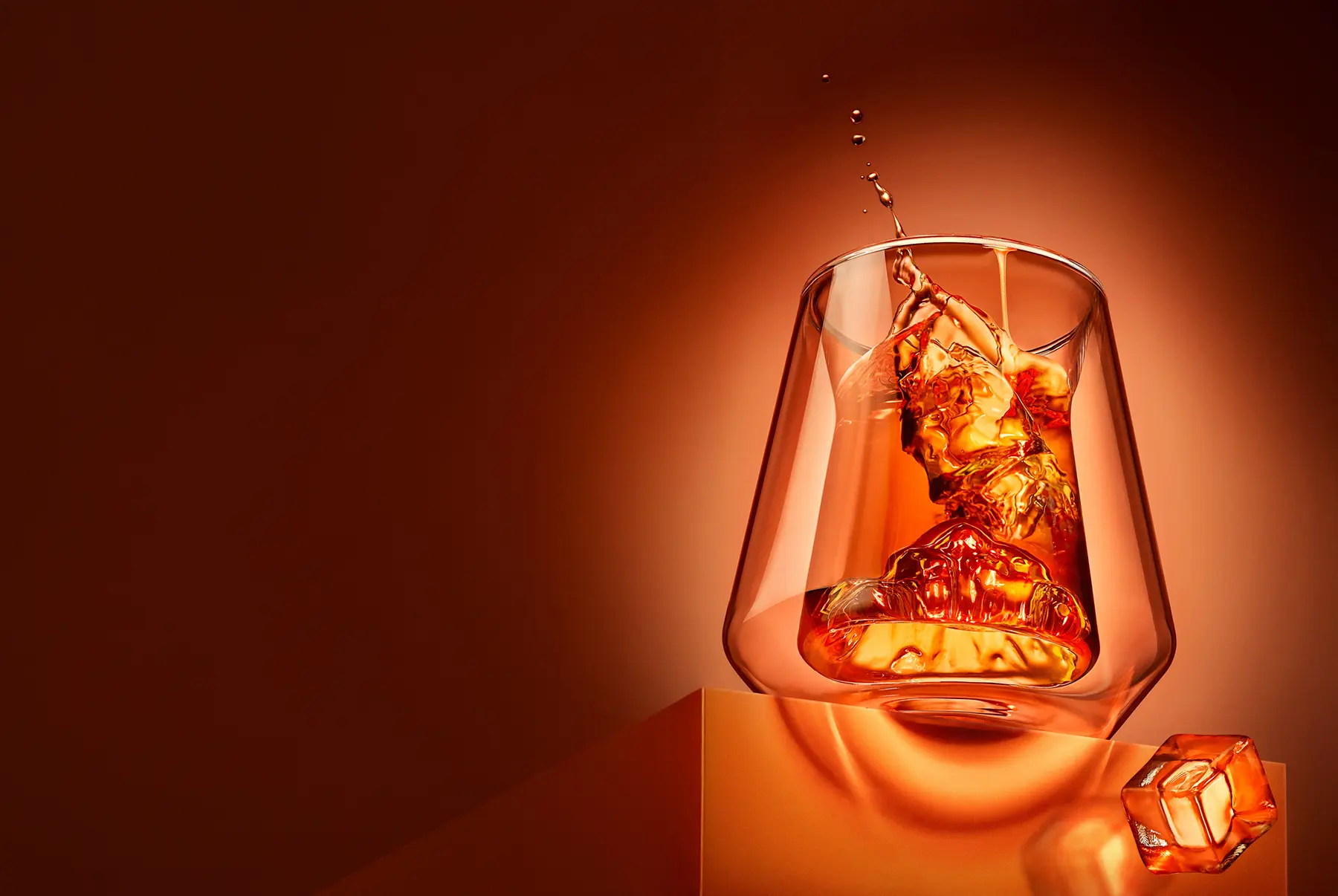
What actually moves the needle in ecommerce photography: consistent light, honest colour, the right angles and files that load fast and don’t mislead.

How we photograph spirits: controlling reflections on glass, reading the colour of the liquid, and keeping the label legible from studio to shelf.
Tell us what you need
This site uses technical cookies it needs to work and, if you accept, analytics cookies to understand how it is used. More in the cookies policy.